
Featured project
Concessioned motorway noise for the future road noise standard
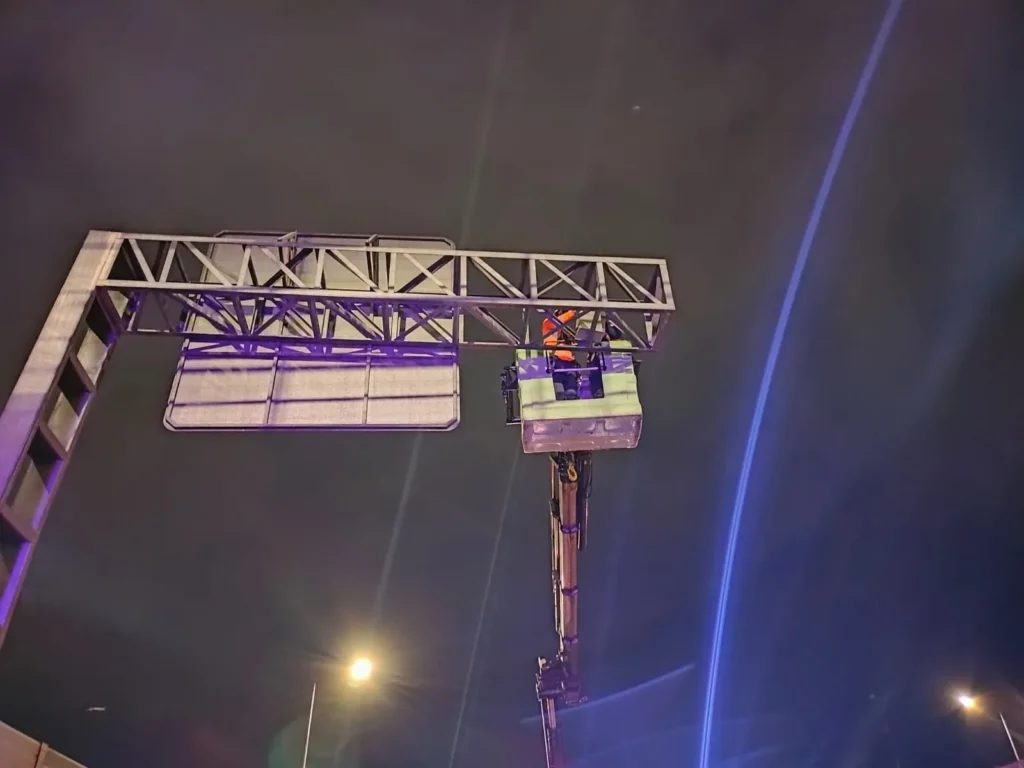
At a glance
- Client
- Ministry of Public Works, General Directorate of Concessions
- Years
- 2025–2026
- Project type
- Public study · tender No. 2216-31-LE25
- Challenge
- Gather field-measured evidence for the future noise emission standard for motorways and roads, and verify the propagation method of an earlier Ministry of Public Works study (2024).
- Result
- Consolidated report approved by the General Directorate of Concessions (ORD No. 02, 16-03-2026).
- Scale
- 4 motorways: Acceso Sur a Santiago, Américo Vespucio Sur, Sistema Norte Sur and Sistema Oriente Poniente24 continuous 48-hour measurements6 one-hour spot measurements24-hour video traffic counts at 5 points
Context
The General Directorate of Concessions of the Ministry of Public Works (MOP) tendered this service to strengthen the evidence behind a request for a national noise emission standard for roads and motorways, to be developed by the Ministry of the Environment.
What we did
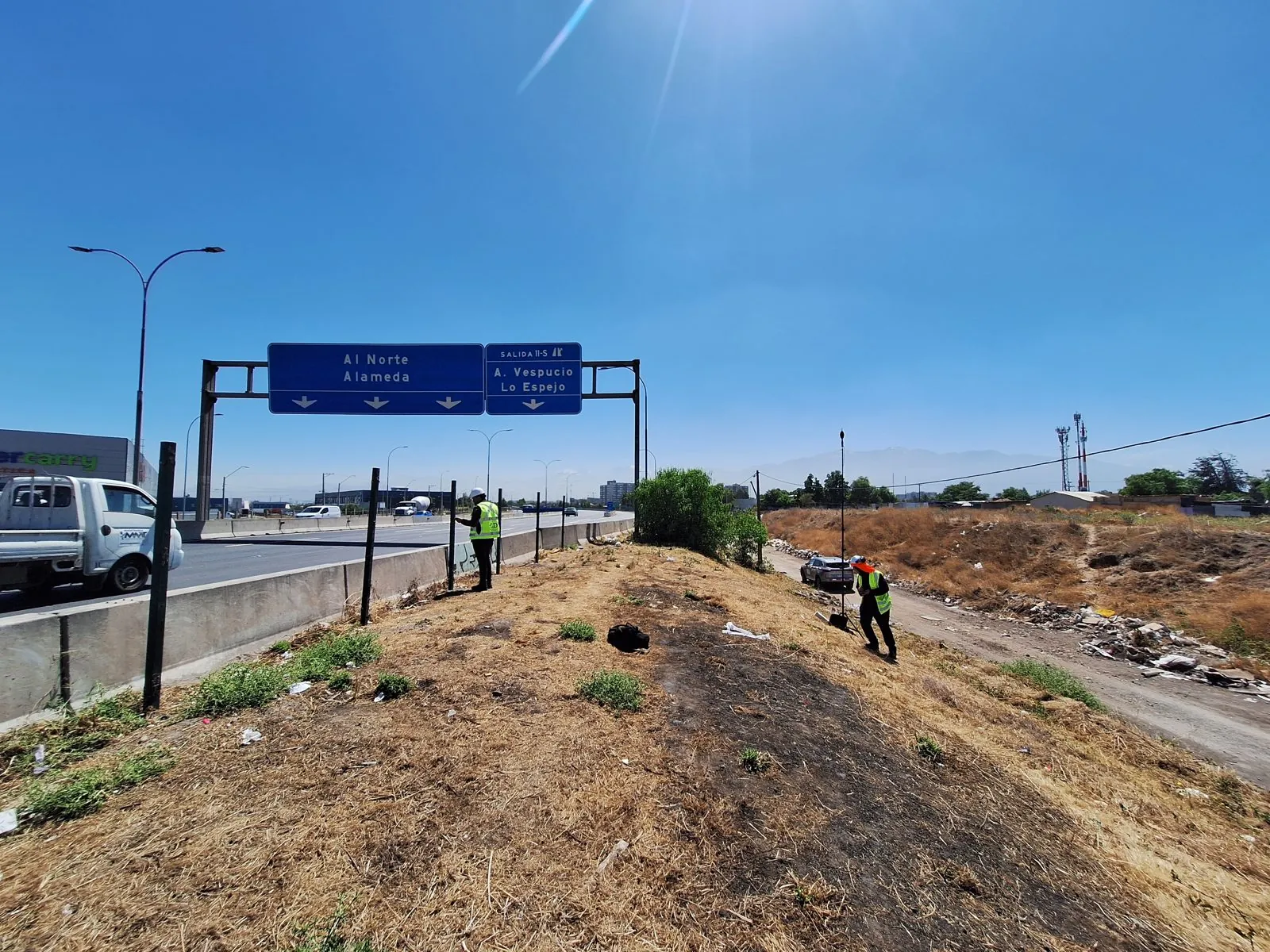
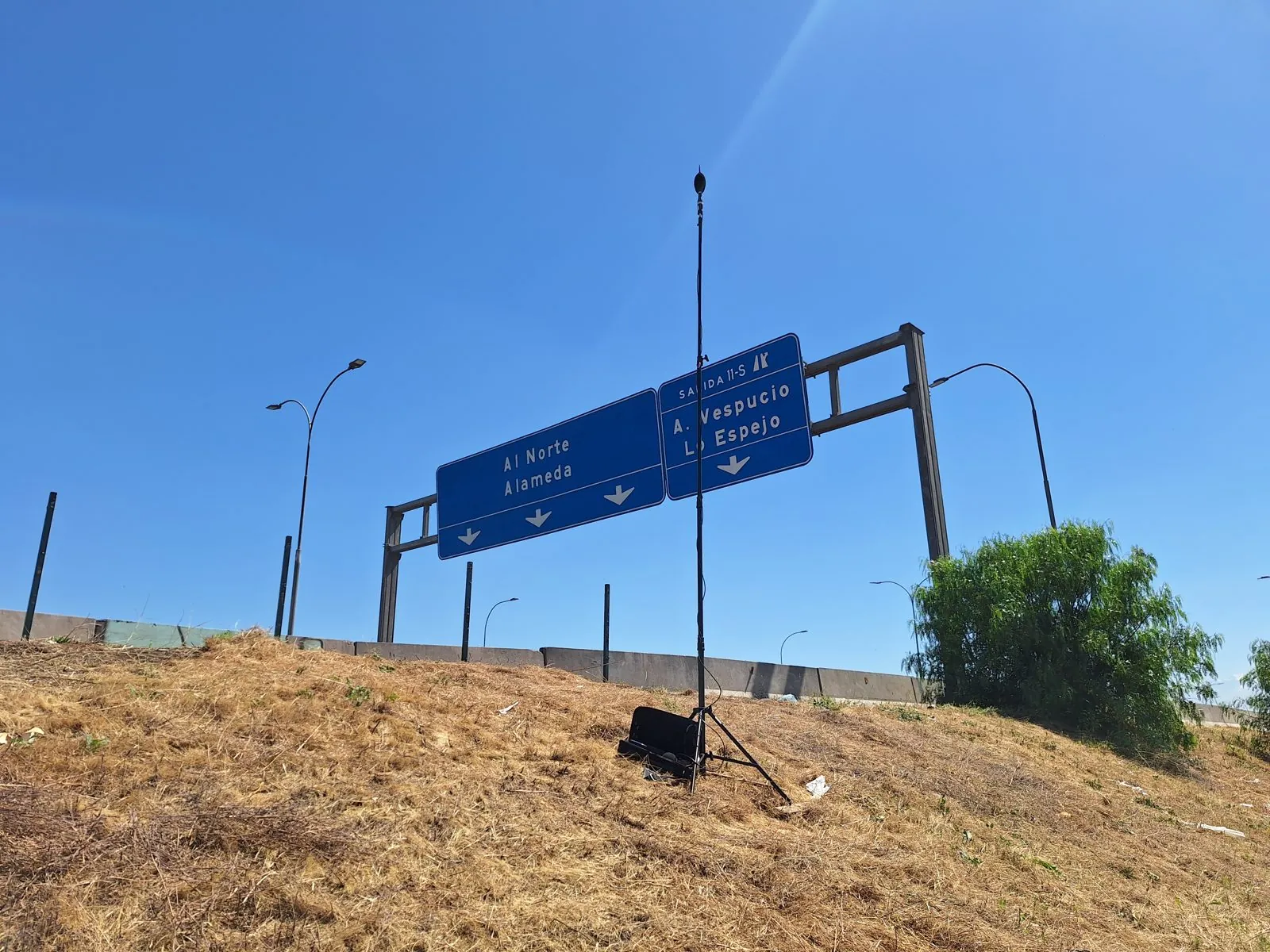
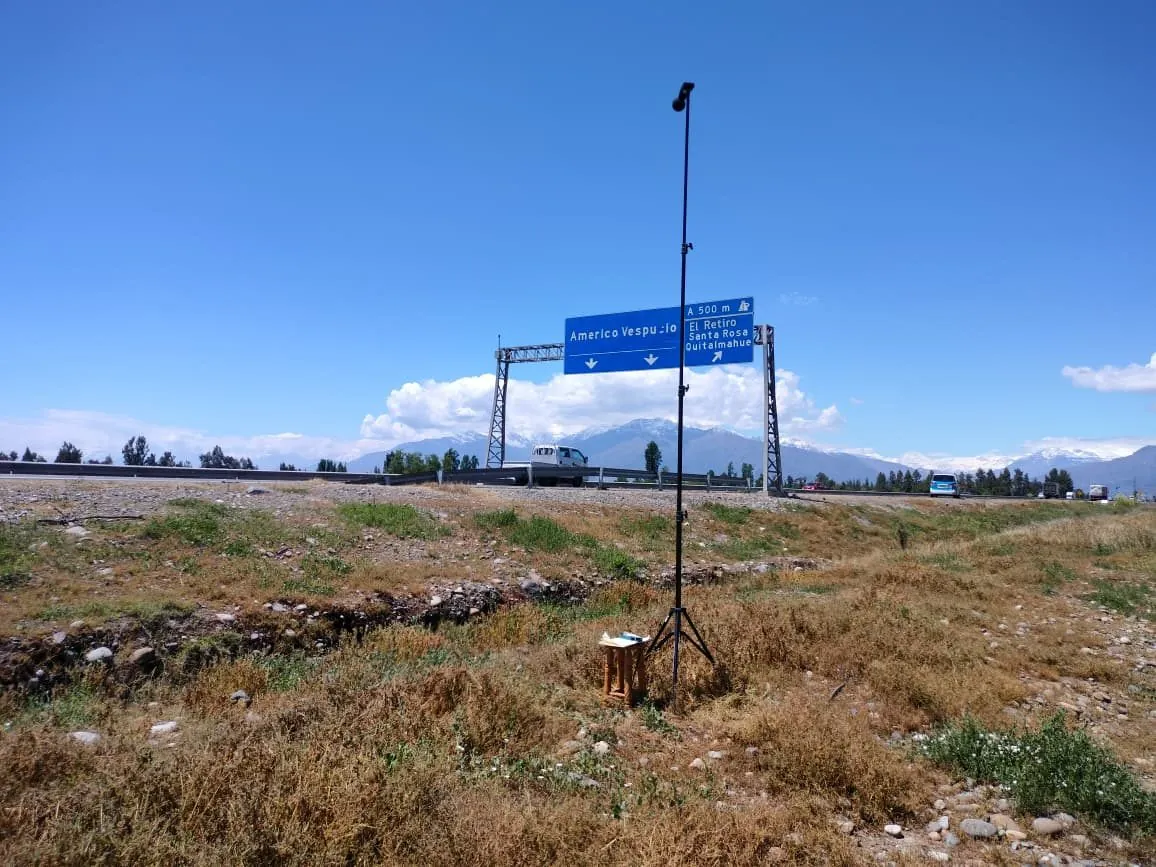
- 24 continuous 48-hour noise measurements to characterise motorway emissions, with day (7:00–22:00) and night (22:00–7:00) descriptors.
- 6 one-hour spot measurements to verify the noise propagation method used for the maps.
- Traffic counts with video cameras over 24 hours at 5 points on Acceso Sur a Santiago.
- Comparison of the German RLS-90 model (used in the reference study) with the Swiss STL-86+, the Nordic SP-96 and the British CoRTN.
- Plan and cross-section noise propagation maps for each motorway, delivered in GIS and PDF.
- Modelling of the reference study’s control measures and proposal of complementary measures.
What we learned
- RLS-90 reproduced the measurements best of the four models compared (mean absolute error of 1.8 dBA and R² of 0.73). This verified that the reference study’s method is appropriate for these motorways and validated its correction factors.
- Motorway noise follows a stable daily pattern: a fairly even level between 9:00 and 20:00, a fall to the lowest levels between 3:00 and 5:00, and the peak around 7:00.
- A 3 m barrier only protects low houses close to the road well (up to 2 storeys). For taller buildings it only protects the lower floors, and its effect drops as distance increases.
- The reference study’s measures did not reach the adopted standard (65 dBA by day and 55 dBA at night), so we proposed complementary barriers between 3 and 6 m high. With them, most of the population is within the limits, except where tall buildings stand very close to the motorway.
Result
Consolidated report approved by the General Directorate of Concessions.
In the field
Services used in this project
Documentation
Service tendered by the General Directorate of Concessions of the Ministry of Public Works · Tender No. 2216-31-LE25 · Final report approved on 16-03-2026.